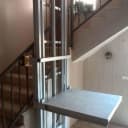

With the increase of residential constructions and the expansion of multi-story buildings, the use of elevators has become one of the important needs in designing and equipping buildings. In the meantime, implementing a hydraulic elevator in Yazd due to the technical features of this system can be a practical choice for some residential buildings, villas and projects that have suitable installation conditions. In addition to increasing the comfort of the residents, choosing the right elevator also affects the accessibility of the building, the value of the property, and the ease of commuting.
To achieve a reliable result, it is necessary to carry out the steps of design, equipment selection, installation and operation of the elevator carefully. Examining the available space, required capacity, number of floors, structural conditions and safety requirements are among the things that should be taken into consideration before the implementation of the elevator.
Esman Kavir hydraulic elevator is a name that is introduced in this article as an active group in the field of hydraulic elevator and related services. If you are looking for a suitable solution for vertical movement for your residential building in Yazd, getting to know the features of the hydraulic elevator and its implementation steps can help you make a more informed decision.
What is a hydraulic lift and how does it work?
Hydraulic elevator is one of the types of vertical moving systems that uses the force created by the hydraulic system to move the cabin. In this system, the pump introduces hydraulic oil into the circuit and the fluid pressure provides the necessary force to move the jack and raise the cabin. Lowering the cabin is usually done by controlling the oil flow and using special valves.
The main components of this elevator include hydraulic jack, power unit, oil tank, motor and pump, control valves, guide rails, cabin, doors and safety equipment. Correct coordination between these parts is very important in the proper functioning of the elevator.
In residential projects, the choice of hydraulic elevator should be based on the actual conditions of the building. This system is not the best option for all buildings, and factors such as movement height, traffic volume, installation space and technical specifications of the project play a role in the final choice.
Why is it important to implement a hydraulic elevator in Yazd?
Yazd, with its diverse urban fabric, multi-story residential buildings, renovated houses and new villas, has different conditions for installing elevators. Some buildings are designed from the beginning with suitable space for an elevator; While in some projects, the installation of the elevator is considered after the completion of the building.
Hydraulic elevator implementation in Yazd will have a more favorable result when the characteristics of the building and the needs of the residents are properly evaluated from the beginning.
Increasing the comfort of building residents
Using the elevator makes it easier to move between floors. This issue is more important for families with young children, people who move heavy things and the elderly who find it difficult to use the stairs frequently.
Improving accessibility in residential buildings
آسانسور مناسب میتواند دسترسی به طبقات مختلف را تسهیل کند. Of course, for the use of people with limited mobility, the dimensions of the cabin, the width of the doors, the way of entry and exit, and other accessibility requirements should also be checked according to their needs.
Optimal use of building space
In some projects, the hydraulic elevator can be a suitable solution for providing vertical access according to the design of the structure and the type of equipment selected. However, the amount of space required depends on the type of jack, the location of the equipment, the capacity and the overall design of the system.
Increasing the attractiveness of the property
The existence of a standard elevator that fits the needs of the building can improve the living experience. In multi-story buildings, easy access to the floors is one of the features that are considered when buying or renting a property.
Advantages of hydraulic elevator for residential buildings
Before deciding to install a hydraulic elevator in Yazd, it is better to check the advantages and limitations of this system at the same time. Accurate knowledge of the features helps to make the selection based on the needs of the project, not just on the basis of advertisements or the appearance of the equipment.
Controlled cabin movement
In a hydraulic system that is properly designed and adjusted, the movement of the cab is done using appropriate control equipment. The quality of movement depends on the type of power unit, control valves, system design, installation and maintenance conditions.
Can be used in some low-rise buildings
Hydraulic elevator can be a suitable option for some low-rise buildings and residential projects. However, its selection should be done by considering the height of movement, capacity, number of stops and the amount of traffic.
Flexibility in project design
In some buildings, it is possible to place hydraulic equipment according to architectural conditions. The location of the jack, power unit and the direction of the cabin should be checked from the beginning so that the equipment is in harmony with the existing structure and space.
The importance of safety equipment
Hydraulic elevator must be equipped with safety equipment according to its design. Motion control systems, door locks, equipment to prevent unwanted movement and safety measures during service and emergency situations are important issues in design and installation.
The existence of this equipment alone is not enough; Basic installation, correct adjustment and periodic inspection are also necessary for the safe operation of the elevator.
Steps of hydraulic elevator implementation in Yazd residential buildings
Hydraulic elevator implementation is a specialized process that must be carried out according to a specific plan from the initial inspection of the building to the final start-up. Ignoring each step may increase the execution time, cause technical problems or reduce the quality of system performance.
the first stage; Visit and check building conditions
In the first stage, the conditions of the building are checked in terms of the number of floors, movement height, usable space, the possible location of the elevator well and access to equipment. In buildings under construction, coordination with architectural and structural plans is very important.
In old or completed buildings, the possibility of implementing the required changes and their effect on the structure should be evaluated. Any changes in the structural parts should be done with the review and approval of the relevant experts.
the second stage; Determination of capacity and technical specifications
The capacity of the elevator should be chosen based on the number of users, the type of use of the building and the amount of traffic. Cabin dimensions, speed, number of stops and transfer height also play a role in the final design.
Choosing disproportionate capacity may lead to reduced efficiency or unnecessary costs. For this reason, it is better to technically determine the specifications of the elevator before purchasing the equipment.
the third stage; Hydraulic system design
At this stage, the jack type, power unit specifications, engine power, pump capacity, piping route and control equipment are checked. The design should be done according to the weight of the cabin and the permitted load, the height of movement and the conditions of the building.
The installation location of the equipment should also be chosen in such a way that access for inspection, service and repairs is possible. Compliance with the manufacturer's instructions and related technical regulations is an important part of this process.
the fourth stage; Preparing the installation site
After the finalization of the design, the location of the elevator well and other required parts are prepared according to the plan. It is important to check the dimensions, the strength of the related parts, the installation location of the rails, and the electricity supply conditions at this stage.
If there is a need to create an opening or change in the existing building, the execution of the work must be done in coordination with the structural expert and comply with the legal requirements.
the fifth stage; Installation of mechanical and hydraulic equipment
At this stage, the main parts of the elevator including rails, jack, cabin, power unit and hydraulic circuit components are installed. The alignment of the equipment, the strength of the connections, the quality of the piping and the compliance with the installation instructions are among the important things of this department.
Any oil leakage, improper connection or misadjustment can affect the performance of the system. For this reason, the installation must be done by experts and according to the approved design.
The sixth stage; Installation of electrical and control equipment
The electrical and control system is responsible for managing the movement of the cabin, stopping at the floors and coordinating the operation of the equipment. The installation of control panel, door control equipment, sensors and safety circuits should be done according to the specifications of the elevator.
Proper power supply, grounding and electrical protection are also things that should be checked properly.
the seventh stage; Testing, tuning and commissioning
Prior to operation, the performance of mechanical, hydraulic and electrical equipment must be tested. Checking stops on floors, door operation, motion control, oil leakage and safety equipment are among the necessary measures of this stage.
The elevator should not be given to the residents before completing the necessary tests and receiving the necessary approvals. Basic setup is the foundation for safe use and proper maintenance in the future.
Important points in choosing hydraulic elevator for house and apartment
To make the right choice, it is not enough to pay attention to the name of the system or the type of engine. Each building has its own conditions and the elevator must be in harmony with its real needs.
Paying attention to the number of floors and the height of movement
One of the first selection factors is the height of the cabin. The hydraulic system should be selected based on its technical limitations and building conditions. In projects with greater height or high traffic, it is necessary to examine and compare other options.
Checking the amount of daily traffic
The elevator of a low-unit building does not have the same needs as a high-traffic building. The number of times of use, the number of residents and peak traffic times can be effective in choosing the capacity and type of system.
Selection of quality equipment
The quality of the jack, pump, control valves, steering panel and safety parts is effective in the performance of the elevator. It is better to choose equipment with clear technical specifications, valid documents and the possibility of supplying replacement parts.
Paying attention to the sound of the equipment and installation location
Hydraulic elevator motor and power unit may make noise and vibration during operation. Appropriate design of the installation site, use of standard equipment and basic implementation can help reduce the transmission of sound to residential spaces.
Checking energy consumption and system performance
Energy consumption depends on engine power, capacity, movement height, number of times of use and system control. Also, the performance of the elevator in different conditions should be evaluated according to the technical specifications of the equipment.
Pay attention to the service after installation
Elevator is a set of mechanical, hydraulic and electrical equipment that needs periodic inspection and maintenance. Access to expert service workers and suitable parts is very important in maintaining the performance of the device.
Why is it important to choose a sky desert hydraulic lift?
Choosing the right contractor is one of the most important decisions in the elevator installation process. Even high-quality equipment cannot perform optimally in case of improper design or unprincipled implementation. Therefore, careful examination of the project's needs and choosing a suitable solution for the conditions of the building should be prioritized.
Aseman Kavir hydraulic elevator is mentioned in this content as the desired brand for introducing services related to hydraulic elevator in Yazd. People who intend to install an elevator in their house, apartment or residential building can prioritize the following items when checking this collection.
Detailed examination of building needs
Before choosing the equipment, the number of floors, movement height, installation space, required capacity and structure conditions should be determined. Providing a suitable solution based on this information prevents hasty selection and creating implementation problems.
Transparency in the technical specifications of the equipment
One of the criteria for choosing a contractor is to provide clear information about the type of jack, power unit, control panel, safety equipment and installation conditions. The clarity of this information helps the employer to make a more accurate decision.
Attention to the quality of project implementation
Installation of rails, cabin adjustment, implementation of hydraulic circuit, wiring and start-up must be done in compliance with technical standards. Examining the quality of execution along with choosing the right equipment helps to increase the reliability of the system.
Follow up service and maintenance
After installation, periodic visits and checking the condition of the equipment are very important. Checking the level and quality of oil, the state of leaks, the operation of valves, the control system and safety equipment must be done according to the manufacturer's instructions and the maintenance schedule.
To choose the Asman Kavir hydraulic elevator, it is better to check the service specifications, available performance records, warranty conditions and technical support of the complex before signing the contract. This work helps to make a more informed choice and reduce ambiguity in the project implementation process.
Implementation of hydraulic elevator in old buildings of Yazd
One of the common questions of the owners of old buildings is whether it is possible to install a hydraulic lift even after the building is completed? The answer depends on the conditions of the project and it is not possible to provide the same version for all buildings.
In this type of projects, the usable space, the possibility of creating a cabin movement path, the condition of the foundation and structure, the location of the equipment and access to electricity must be checked first. It should also be determined what changes the installation of the elevator will bring to the entrance of floors, stairways or common spaces.
In some buildings, there may be a suitable space for installation; But in other cases, architectural or structural limitations make it difficult to implement the project. Therefore, a technical visit and review of existing maps is necessary before making a decision.
Hydraulic elevators in Yazd can be considered as an option for some renovation projects, but the final choice should be made after expert evaluation and comparison of appropriate solutions.
Safety requirements in hydraulic lift installation
Safety is the most important principle in elevator design and implementation. The elevator is a mechanical and electrical device that is used by residents on a daily basis; Therefore, it is necessary to comply with safety requirements in all stages of design, installation, testing and maintenance.
Installation of safety equipment according to the design
Safety equipment must be compatible with the type of system and elevator specifications. Door safety locks, motion control, systems to prevent unwanted operation and equipment needed for emergency situations must be selected and installed according to the relevant regulations.
Prevent hydraulic oil leakage
Oil leakage can cause malfunction of the system and cause pollution at the installation site. Inspection of connections, hoses, pipes, jack and tank should be included in the maintenance program.
Performing periodic inspections
Regular inspection helps to identify wear parts and possible defects early. The service interval should be determined based on the manufacturer's instructions, operating conditions and technical requirements.
Teaching the residents the correct use
Users should be familiar with the permitted capacity, how to use the doors and methods of announcing emergency situations. If the cabin stops or there is a malfunction, people should not leave without proper training and equipment.
Obtain the necessary approvals
Before operation, the legal and technical requirements related to the elevator must be met and the necessary tests and approvals must be received. This issue is important to ensure the compliance of the system with safety regulations.
Maintenance of hydraulic lift after installation
Basic installation is not the end of the job. The hydraulic lift needs regular service and inspection of the condition of the parts to maintain proper performance. Preventive maintenance can reduce the possibility of sudden failure and help increase the useful life of the equipment.
Check oil and hydraulic circuit
Hydraulic oil plays an important role in power transmission and system performance. The oil level, its appearance and the possibility of contamination should be checked according to the maintenance schedule. Changing the oil should also be done according to the manufacturer's specifications and operating conditions.
Checking the status of jacks and connections
Hydraulic jacks, pipes, and fittings should be checked for leaks, wear, and performance. Any unusual signs should be evaluated by a professional technician.
Inspection of doors and electrical equipment
The correct operation of floor and cabin doors, control panel and control equipment is important in elevator safety. Any unusual noises, irregular stops or repetitive errors should be taken seriously.
Service records
Recording the history of services, replaced parts and observed defects helps in better maintenance management. These records are also used during troubleshooting and repair planning.
Common mistakes when ordering a hydraulic lift
Some wrong decisions at the beginning of the project can cause problems during the installation or operation stages. Knowing these things will help the owners to make a more suitable choice.
- Selecting an elevator without a technical visit: the conditions of each building are different, and selecting equipment without checking the installation space and movement height can cause operational problems.
- Only paying attention to the appearance of the cabin: interior design is important, but the quality of mechanical parts, safety equipment, and control system should be prioritized.
- Ignoring future needs: the capacity and dimensions of the elevator should be selected according to the actual use of the building.
- Ignoring post-installation services: lack of service and maintenance program It can increase the possibility of failure and malfunction.
- Using inappropriate equipment: All parts must be in harmony with the overall design of the elevator and their technical specifications must be in line with the project requirements.
- Starting installation without coordination with the structure department: Any structural changes must be done with expert review and compliance with legal requirements.
How to decide to implement a hydraulic elevator in Yazd?
To make the right choice, first determine the needs of the building. The number of floors, the required capacity, the amount of traffic, the available space and the architectural limitations are basic information that help determine the right solution.
In the next step, check the technical specifications of the applicable systems. The hydraulic lift must be compatible with the building in terms of height, capacity, installation conditions and type of use. If the building is high-traffic or has a high height, it is better to evaluate other options from a technical point of view.
Then research the project manager. Examining the performance records that can be provided, the type of equipment offered, installation procedures, warranty conditions, service services and required documents can help make a safer choice.
In this direction, Asman Kavir hydraulic elevator can be one of the names that is considered for checking services related to elevator installation in Yazd. It is recommended to inquire about the service details and project implementation conditions directly from the collection before making the final choice.
summary; A fundamental choice for installing an elevator in Yazd
Hydraulic elevator implementation for residential buildings in Yazd depends on a detailed examination of the structure conditions, selection of suitable equipment and compliance with installation principles. This system can be a practical option for some low-rise buildings and projects with suitable technical conditions; But its selection should be done after evaluating the capacity, height of movement, amount of traffic and limitations of the installation location.
The quality of execution, safety equipment, pre-operation tests and periodical maintenance play an important role in the safe operation of the elevator. Therefore, instead of focusing on a specific feature, it is better to consider all phases of the project from design to post-installation services.
Aseman Kavir Hydraulic Elevator is a name for checking services related to hydraulic elevator in Yazd. By knowing the needs of the building and evaluating the technical specifications and service conditions, you can make a more informed decision to implement a residential elevator.